


-
-
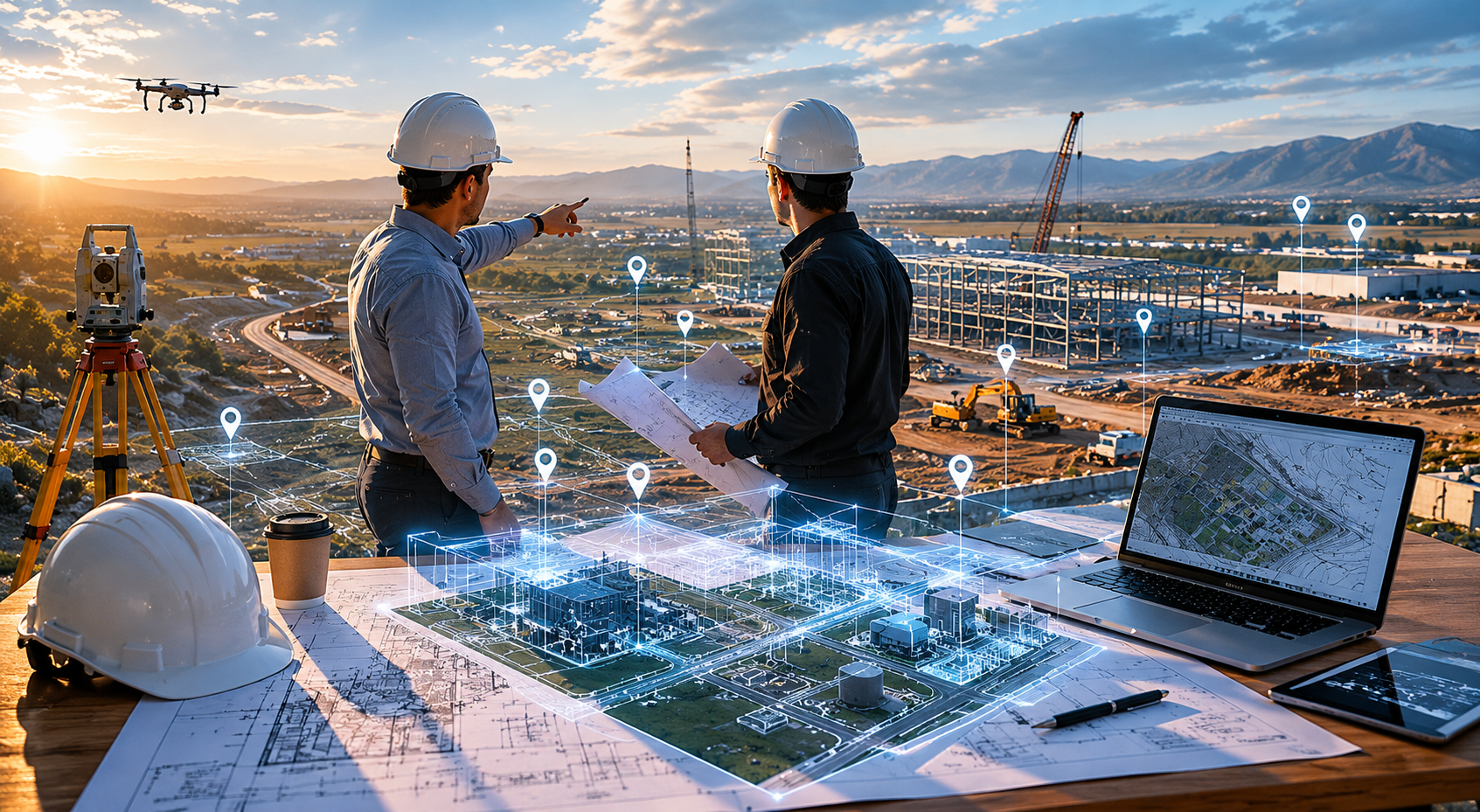
Why designers should be involved even before purchasing land
Many clients contact a design company only after they have already:
- purchased the land
- chosen the technology
- approved the budget
- signed contracts
- started preparatory work
At first glance, this may seem logical. But this is exactly where the most expensive mistakes begin.
In industrial and infrastructure construction, design is not a stage that comes “after” — it is the foundation of the entire project. Mistakes made at the beginning almost always lead to:
- budget overruns
- project delays
- problems during expert review and approvals
- construction difficulties
- inefficient facility operation
STRON Engineering supports projects from the earliest stages and helps clients avoid critical mistakes even before the start of design and construction.
Mistake No. 1: Purchasing an Unsuitable Land Plot
One of the most common problems is purchasing land without engineering analysis.
In practice, a site may have:
- difficult soil conditions
- utility connection limitations
- sanitary protection zones
- problems with access roads
- high groundwater levels
- utility network capacity limitations
- approval and permitting difficulties
As a result, the client faces unexpected expenses after the purchase has already been completed.
In some cases, the cost of site preparation becomes so high that the project turns economically inefficient.
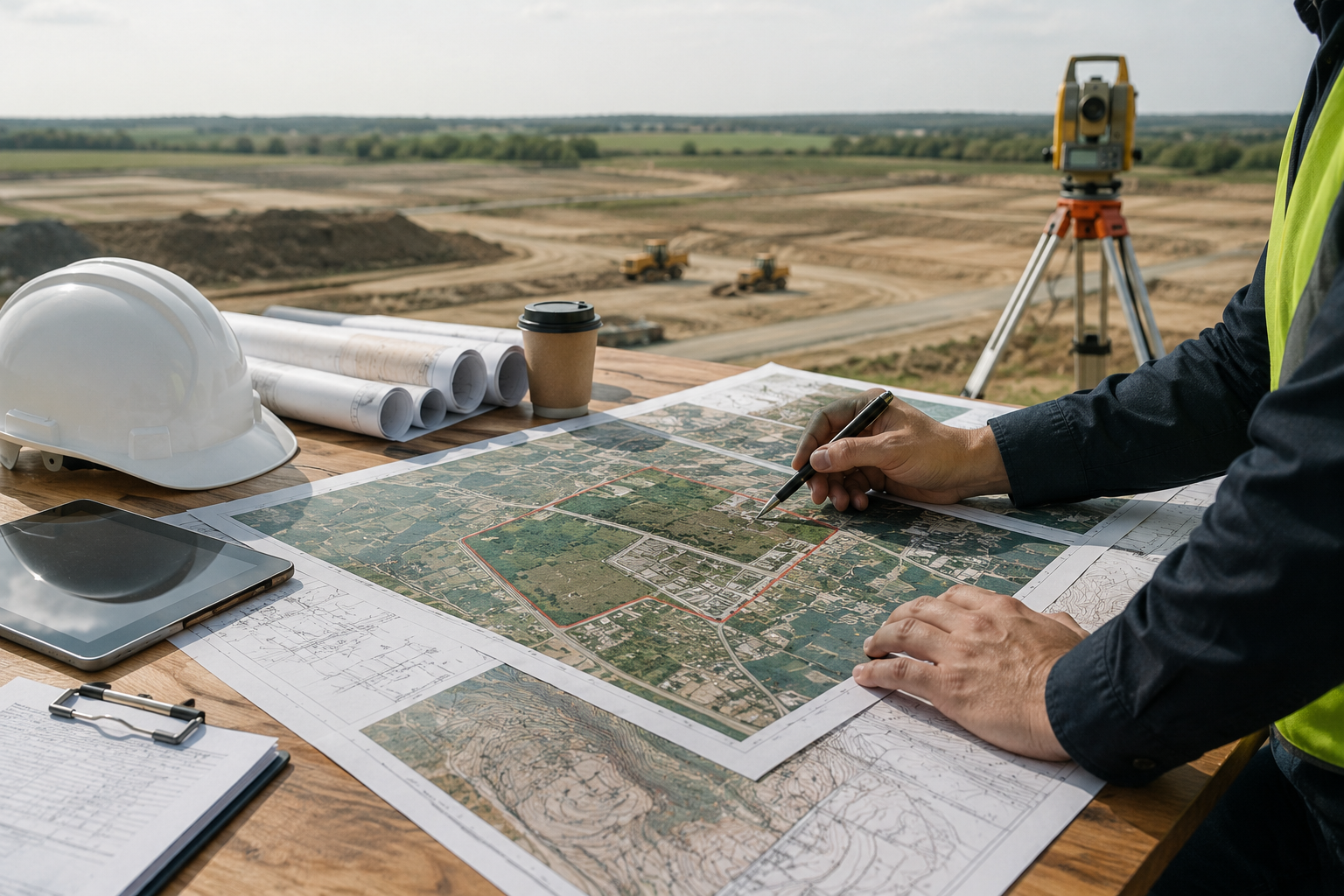
Why an Engineer Should Be Involved Before Purchasing Land
Engineers evaluate:
- terrain and topography
- infrastructure
- logistics
- access to utilities and communications
- expansion possibilities
- regulatory requirements
- operational convenience of the future facility
This makes it possible to understand the real risks and potential of the site in advance.
Mistake No. 2: Choosing the Wrong Technology
Many companies first choose equipment or technology and only afterward begin adapting the facility to it.
However, technologies directly affect:
- building dimensions
- structural loads
- engineering systems
- energy consumption
- logistics
- fire safety
- operating costs
If the technology is selected without the involvement of engineers, the following problems may arise:
- rework and redesign
- lack of required space
- conflicts between engineering systems
- budget growth
- installation and assembly problems
How STRON Engineering Solves This
STRON Engineering becomes involved at the concept development stage and helps to:
- select optimal solutions
- evaluate the efficiency of technologies
- assess project risks
- forecast future expenses
- adapt the facility to real production processes
Mistake No. 3: Underestimating Logistics
For an industrial facility, logistics is one of the key factors of efficiency.
Very often, the following aspects are overlooked at the early stages:
- routes for specialized machinery
- turning radii
- raw material movement flows
- warehouse logistics flows
- transport safety
- loading and unloading zones
In the future, this leads to:
- production downtime
- emergency situations
- site congestion
- reduced productivity
How STRON Engineering Solves This
The company models real production processes, including:
- vehicle movement
- employee routes
- technological process flows
- equipment operation
- interaction between facility zones
This approach is especially important for:
- factories
- manufacturing enterprises
- quarries
- logistics complexes
- infrastructure facilities
Mistake No. 4: Unrealistic Project Budget
At the early stages, clients often rely on “approximate figures” without considering:
- the complexity of engineering systems
- soil conditions
- utility connection costs
- non-standard structures
- expert review requirements
- industrial safety regulations
Later, the project budget begins to increase sharply.
How STRON Engineering Solves This
STRON Engineering helps create a more realistic project model by:
- assessing technical risks
- developing preliminary engineering solutions
- analyzing project costs
- optimizing the project concept
- applying BIM modeling
- planning phased project implementation
Mistake No. 5: Design Starts Too Late
Many people believe that designers are needed only for preparing documentation.
But modern design is:
- engineering consulting
- site analysis
- technology assessment
- risk management
- digital modeling
- project implementation support
When designers are involved too late:
- some decisions can no longer be changed
- mistakes become extremely expensive
- project timelines begin to shift
- expert review reveals critical issues
Why Early Involvement of a Design Company Saves Money
Errors are eliminated before construction begins.
Faster Expert Review and Approvals
The project is prepared from the start in accordance with regulatory requirements.
Realistic Budget
The client understands the actual project costs in advance.
Efficient Logistics
The facility operates without constant operational problems.
Scalability Readiness
The project takes future business expansion into account.
How STRON Engineering Supports a Project from the Ground Up
STRON Engineering operates not only as a design company, but also as an engineering partner for the client.
The company supports projects at every stage, including:
- site analysis
- pre-design preparation
- BIM modeling
- conceptual solutions
- engineering calculations
- expert review support
- construction supervision
- construction coordination
This approach makes it possible to:
- reduce risks
- accelerate project implementation
- minimize the number of errors
- ensure stable facility operation after commissioning
A Modern Project Begins Long Before Construction Starts
Today, a successful facility is created not on the construction site, but at the stage of analysis, strategy, and engineering preparation.
That is why the early involvement of a design company is becoming not an additional service, but a necessity for any serious industrial or infrastructure project.
STRON Engineering helps clients make the right engineering decisions from the very beginning — when the cost of mistakes is still minimal and the opportunities for effective project implementation are at their maximum.
Stron
Engineering
-
INDUSTRIAL ENGINEERING
-
01
Development of design and estimate documentation for the construction of civil and industrial facilities, in frame and frameless design, monolithic and prefabricated structures and buildings, metal structures, reinforced concrete;
-
02
Design of outdoor power supply systems, outdoor and indoor electric lighting, power electrical equipment and substations;
-
03
Design of trunk and intra-block fiber-optic communication lines, video surveillance systems, security and access systems;
-
04
Design of external water supply, sewerage, water drainage and drainage, gas supply, and heat supply networks;
-
05
Engineering surveys (engineering-topographic; engineering-geodetic; engineering-hydrological, engineering-geological;
-
06
Technical inspection of buildings and structures;
-
07
ВIM design;
-
08
3D laser scanning;
-
09
Qualified legal support for projects.
-
01
-
MINING & METALLURGICAL ACTIVITIES
-
01
Development of design and estimate documentation for the construction of mining facilities;
-
02
Adaptation of projects and technological processes in the mining and metallurgical sector of foreign projects and design solutions to Kazakhstani norms and requirements;
-
03
Design of roads and railways;
-
04
Development of environmental projects;
-
05
Industrial safety;
-
06
Preparation of tender documentation;
-
07
Evaluation and analysis of objects to determine the cost of engineering and design;
-
08
ВIM design;
-
09
Comprehensive implementation of author's supervision;
-
10
Development of projects for related infrastructure facilities for mining, processing and metallurgical industries;
-
11
Carrying out engineering survey work.
-
01
-
MINING & METALLURGICAL ACTIVITIES
-
01
Development of design and estimate documentation for the construction of civil and industrial facilities, in frame and frameless design, monolithic and prefabricated structures and buildings, metal structures, reinforced concrete;
-
02
Design of outdoor power supply systems, outdoor and indoor electric lighting, power electrical equipment and substations;
-
03
Design of trunk and intra-block fiber-optic communication lines, video surveillance systems, security and access systems;
-
04
Design of external water supply, sewerage, water drainage and drainage, gas supply, and heat supply networks;
-
05
Engineering surveys (engineering-topographic; engineering-geodetic; engineering-hydrological, engineering-geological;
-
06
Technical inspection of buildings and structures;
-
07
ВIM design;
-
08
3D laser scanning;
-
09
Qualified legal support for projects.
-
01
-
CIVIL AND INDUSTRIAL ENGINEERING
-
01
Development of design and estimate documentation for the construction of mining facilities;
-
02
Adaptation of projects and technological processes in the mining and metallurgical sector of foreign projects and design solutions to Kazakhstani norms and requirements;
-
03
Design of roads and railways;
-
04
Development of environmental projects;
-
05
Industrial safety;
-
06
Preparation of tender documentation;
-
07
Evaluation and analysis of objects to determine the cost of engineering and design;
-
08
ВIM design;
-
09
Comprehensive implementation of author's supervision;
-
10
Development of projects for related infrastructure facilities for mining, processing and metallurgical industries;
-
11
Carrying out engineering survey work.
-
01
-
CIVIL AND INDUSTRIAL ENGINEERING
-
01
Development of design and estimate documentation for the construction of civil and industrial facilities, in frame and frameless design, monolithic and prefabricated structures and buildings, metal structures, reinforced concrete;
-
02
Design of outdoor power supply systems, outdoor and indoor electric lighting, power electrical equipment and substations;
-
03
Design of trunk and intra-block fiber-optic communication lines, video surveillance systems, security and access systems;
-
04
Design of external water supply, sewerage, water drainage and drainage, gas supply, and heat supply networks;
-
05
Engineering surveys (engineering-topographic; engineering-geodetic; engineering-hydrological, engineering-geological;
-
06
Technical inspection of buildings and structures;
-
07
ВIM design;
-
08
3D laser scanning;
-
09
Qualified legal support for projects.
-
01
-
MINING & METALLURGICAL ACTIVITIES
-
01
Development of design and estimate documentation for the construction of mining facilities;
-
02
Adaptation of projects and technological processes in the mining and metallurgical sector of foreign projects and design solutions to Kazakhstani norms and requirements;
-
03
Design of roads and railways;
-
04
Development of environmental projects;
-
05
Industrial safety;
-
06
Preparation of tender documentation;
-
07
Evaluation and analysis of objects to determine the cost of engineering and design;
-
08
ВIM design;
-
09
Comprehensive implementation of author's supervision;
-
10
Development of projects for related infrastructure facilities for mining, processing and metallurgical industries;
-
11
Carrying out engineering survey work.
-
01
-
What We Offer:
Employment:
Work in a Kazakhstan-based company
Salary:
USD 3–5 per hour.
Payment is task-based: each task is assigned with a clearly defined number of hours based on an 8-hour workday. If a task is completed ahead of schedule, payment will be made upon actual completion.
Location:
Kostanay, Kazakhstan
Key Responsibilities:
Architectural design solutions;
Coordination with engineering disciplines.
Requirements:
Higher education in Architecture;
At least 10 years of experience on industrial projects;
Technical English proficiency (mandatory);
Proficiency in Archicad, AutoCAD, Revit;
Mandatory experience working with BIM;
Relevant professional certificates and completion of specialized courses are required.


comments (0)
Leave a comment