


-
-
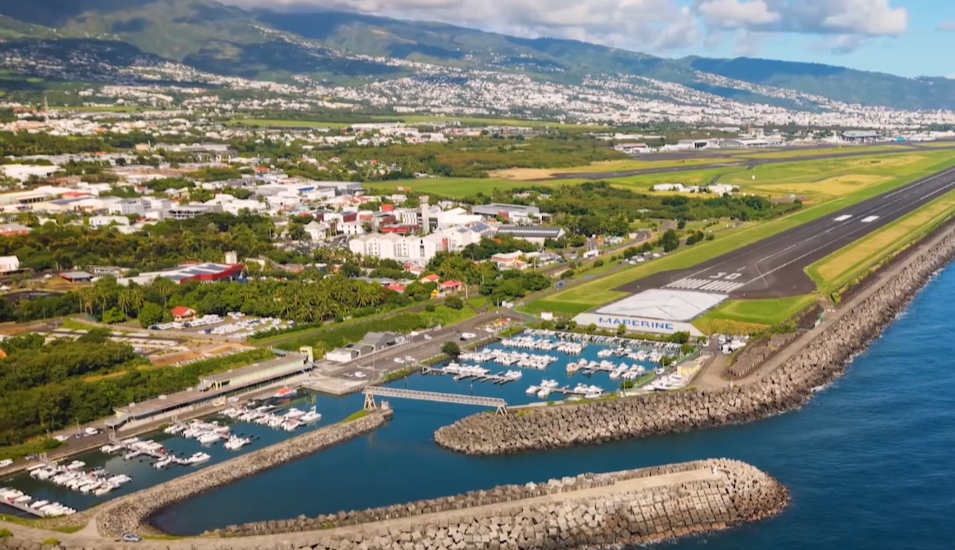
One of the world’s most unusual airport terminals has appeared on Reunion Island. The new arrivals terminal of the international airport was designed as a fully bioclimatic space capable of operating without traditional air conditioning systems.
The project has become an example of how modern architecture and engineering technologies can work in harmony with natural climatic conditions, significantly reducing energy consumption and carbon emissions.
Architecture that “breathes”
The new terminal, covering an area of approximately 13,000 m², was built using glass, metal, and wood. The key feature of the facility is its natural ventilation system, which uses trade wind airflow instead of energy-intensive air conditioning systems.
The building is equipped with more than 800 automated louvered windows that regulate airflow depending on weather conditions. The architects were inspired by traditional Creole houses and local bioclimatic architecture.
The central element of the project is the so-called “bioclimatic canyon” — a special structure located in the center of the terminal that enables natural air circulation. Thanks to this solution, the building maintains a comfortable indoor temperature even in a tropical climate.
Reduction of energy consumption and emissions
According to airport representatives, the new terminal consumes approximately 55–60% less energy compared to similar facilities equipped with traditional air conditioning systems.
In recent years, the airport has managed to reduce its CO₂ emissions from 8,000 tons to less than 1,000 tons per year. This achievement makes the project one of the most remarkable examples of sustainable transport infrastructure in the Indian Ocean region.
Additional attention was given to landscaping the space. Endemic plants from Reunion Island, some of which are endangered, were placed throughout the terminal. They not only improve the indoor microclimate but also help preserve the local ecosystem.
Next-generation engineering technologies
The project demonstrates how modern engineering solutions are transforming the approach to transport infrastructure design. Ventilation automation, climate analysis, the use of natural airflow, and adaptation of the building to the local climate make it possible to create energy-efficient facilities with minimal environmental impact.
Special attention was also given to the economic aspect of the project. Around 91% of contractors were local companies, and the facility itself created approximately one thousand jobs during the construction phase.
Today, Reunion Airport has already received international architectural awards and has been recognized as one of the most beautiful airports in the world.
The future of bioclimatic architecture
The project on Reunion Island demonstrates that bioclimatic architecture is becoming an important direction in the development of modern public buildings. Airports, railway stations, business centers, and industrial facilities are increasingly being designed with consideration for natural conditions and energy efficiency.
This approach makes it possible to:
- reduce operating costs
- lower the carbon footprint
- improve user comfort
- increase infrastructure sustainability
- integrate the natural environment into the architecture of the facility
Engineering approach by Stron Engineering
Stron Engineering specializes in the design of industrial and infrastructure facilities using modern BIM technologies and a comprehensive engineering approach.
During project development, the company’s specialists focus on energy efficiency, building sustainability, engineering coordination, and modern operational technologies. This approach makes it possible to create competitive and technologically advanced solutions that meet global trends in construction and architecture.
Stron
Engineering
-
INDUSTRIAL ENGINEERING
-
01
Development of design and estimate documentation for the construction of civil and industrial facilities, in frame and frameless design, monolithic and prefabricated structures and buildings, metal structures, reinforced concrete;
-
02
Design of outdoor power supply systems, outdoor and indoor electric lighting, power electrical equipment and substations;
-
03
Design of trunk and intra-block fiber-optic communication lines, video surveillance systems, security and access systems;
-
04
Design of external water supply, sewerage, water drainage and drainage, gas supply, and heat supply networks;
-
05
Engineering surveys (engineering-topographic; engineering-geodetic; engineering-hydrological, engineering-geological;
-
06
Technical inspection of buildings and structures;
-
07
ВIM design;
-
08
3D laser scanning;
-
09
Qualified legal support for projects.
-
01
-
MINING & METALLURGICAL ACTIVITIES
-
01
Development of design and estimate documentation for the construction of mining facilities;
-
02
Adaptation of projects and technological processes in the mining and metallurgical sector of foreign projects and design solutions to Kazakhstani norms and requirements;
-
03
Design of roads and railways;
-
04
Development of environmental projects;
-
05
Industrial safety;
-
06
Preparation of tender documentation;
-
07
Evaluation and analysis of objects to determine the cost of engineering and design;
-
08
ВIM design;
-
09
Comprehensive implementation of author's supervision;
-
10
Development of projects for related infrastructure facilities for mining, processing and metallurgical industries;
-
11
Carrying out engineering survey work.
-
01
-
MINING & METALLURGICAL ACTIVITIES
-
01
Development of design and estimate documentation for the construction of civil and industrial facilities, in frame and frameless design, monolithic and prefabricated structures and buildings, metal structures, reinforced concrete;
-
02
Design of outdoor power supply systems, outdoor and indoor electric lighting, power electrical equipment and substations;
-
03
Design of trunk and intra-block fiber-optic communication lines, video surveillance systems, security and access systems;
-
04
Design of external water supply, sewerage, water drainage and drainage, gas supply, and heat supply networks;
-
05
Engineering surveys (engineering-topographic; engineering-geodetic; engineering-hydrological, engineering-geological;
-
06
Technical inspection of buildings and structures;
-
07
ВIM design;
-
08
3D laser scanning;
-
09
Qualified legal support for projects.
-
01
-
CIVIL AND INDUSTRIAL ENGINEERING
-
01
Development of design and estimate documentation for the construction of mining facilities;
-
02
Adaptation of projects and technological processes in the mining and metallurgical sector of foreign projects and design solutions to Kazakhstani norms and requirements;
-
03
Design of roads and railways;
-
04
Development of environmental projects;
-
05
Industrial safety;
-
06
Preparation of tender documentation;
-
07
Evaluation and analysis of objects to determine the cost of engineering and design;
-
08
ВIM design;
-
09
Comprehensive implementation of author's supervision;
-
10
Development of projects for related infrastructure facilities for mining, processing and metallurgical industries;
-
11
Carrying out engineering survey work.
-
01
-
CIVIL AND INDUSTRIAL ENGINEERING
-
01
Development of design and estimate documentation for the construction of civil and industrial facilities, in frame and frameless design, monolithic and prefabricated structures and buildings, metal structures, reinforced concrete;
-
02
Design of outdoor power supply systems, outdoor and indoor electric lighting, power electrical equipment and substations;
-
03
Design of trunk and intra-block fiber-optic communication lines, video surveillance systems, security and access systems;
-
04
Design of external water supply, sewerage, water drainage and drainage, gas supply, and heat supply networks;
-
05
Engineering surveys (engineering-topographic; engineering-geodetic; engineering-hydrological, engineering-geological;
-
06
Technical inspection of buildings and structures;
-
07
ВIM design;
-
08
3D laser scanning;
-
09
Qualified legal support for projects.
-
01
-
MINING & METALLURGICAL ACTIVITIES
-
01
Development of design and estimate documentation for the construction of mining facilities;
-
02
Adaptation of projects and technological processes in the mining and metallurgical sector of foreign projects and design solutions to Kazakhstani norms and requirements;
-
03
Design of roads and railways;
-
04
Development of environmental projects;
-
05
Industrial safety;
-
06
Preparation of tender documentation;
-
07
Evaluation and analysis of objects to determine the cost of engineering and design;
-
08
ВIM design;
-
09
Comprehensive implementation of author's supervision;
-
10
Development of projects for related infrastructure facilities for mining, processing and metallurgical industries;
-
11
Carrying out engineering survey work.
-
01
-
What We Offer:
Employment:
Work in a Kazakhstan-based company
Salary:
USD 3–5 per hour.
Payment is task-based: each task is assigned with a clearly defined number of hours based on an 8-hour workday. If a task is completed ahead of schedule, payment will be made upon actual completion.
Location:
Kostanay, Kazakhstan
Key Responsibilities:
Architectural design solutions;
Coordination with engineering disciplines.
Requirements:
Higher education in Architecture;
At least 10 years of experience on industrial projects;
Technical English proficiency (mandatory);
Proficiency in Archicad, AutoCAD, Revit;
Mandatory experience working with BIM;
Relevant professional certificates and completion of specialized courses are required.

comments (0)
Leave a comment