


-
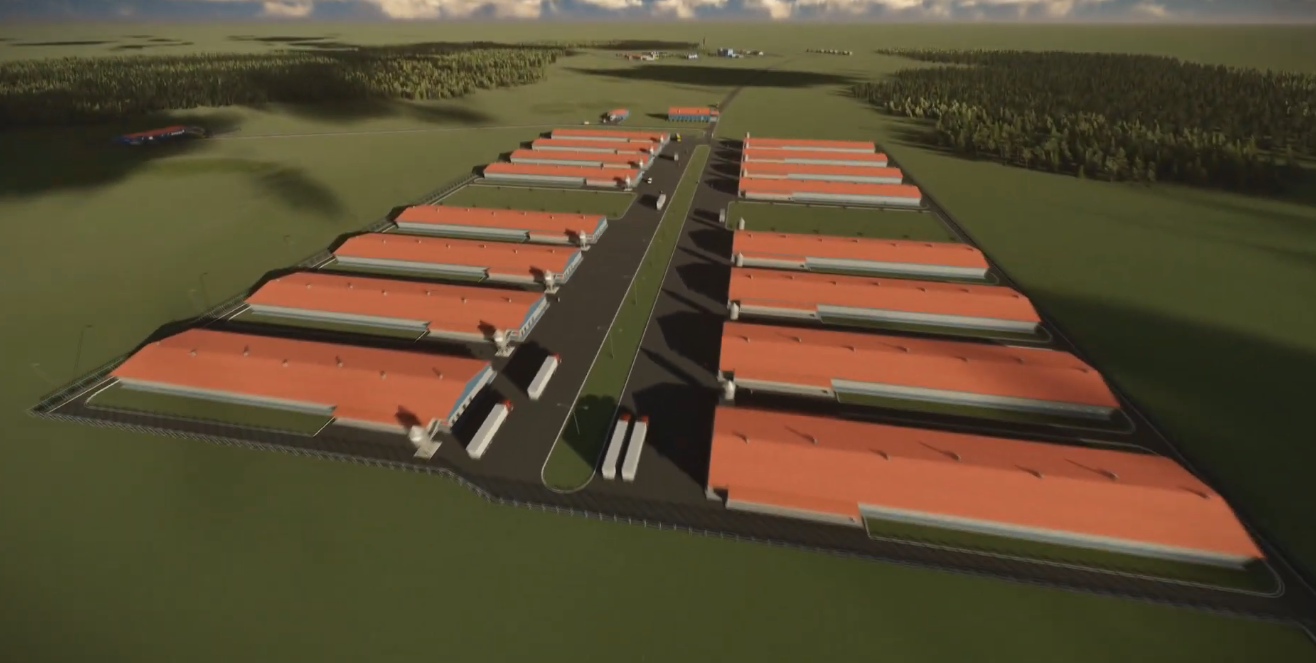
-
Building a modern poultry complex is more than just erecting “boxes” made of sandwich panels. It involves creating a sophisticated ecosystem where the slightest miscalculation in engineering networks or logistics can lead to a 15–30% drop in profitability or even mass livestock loss.
Stron Engineering specializes in industrial design, and today we will examine the typical mistakes made by clients and inexperienced designers, as well as explain why a high-quality project cannot be cheap.
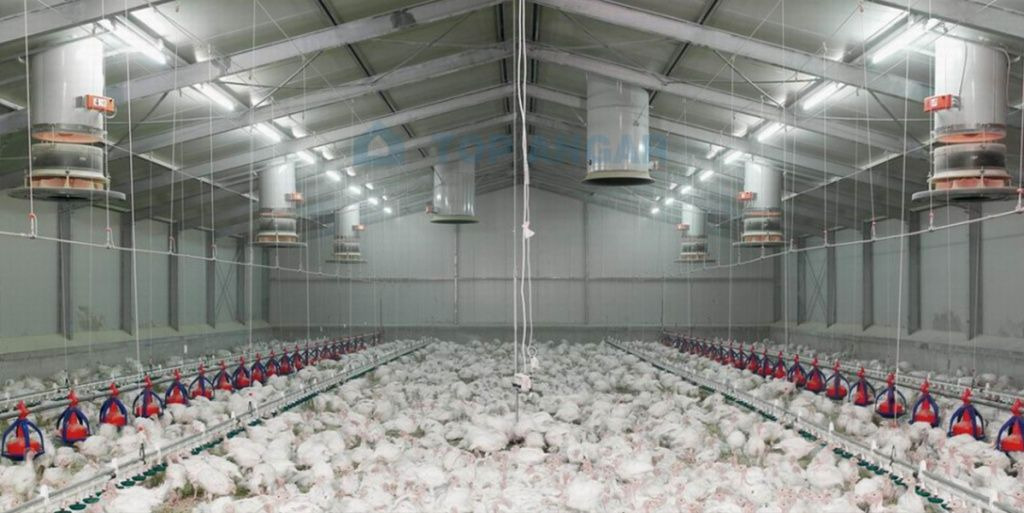
Top 4 Critical Mistakes in Poultry Farm Design
1. Failures in Ventilation and Climate Control Systems
Poultry is extremely sensitive to air quality. Inaccurate airflow calculations are the most common cause of low productivity.
The Mistake: Installing ventilation systems without accounting for seasonal fluctuations or “dead zones.”
The Consequence: Accumulation of ammonia and $CO_2$. Birds become lethargic, their immunity drops, and feed conversion rates deteriorate (higher feed consumption).
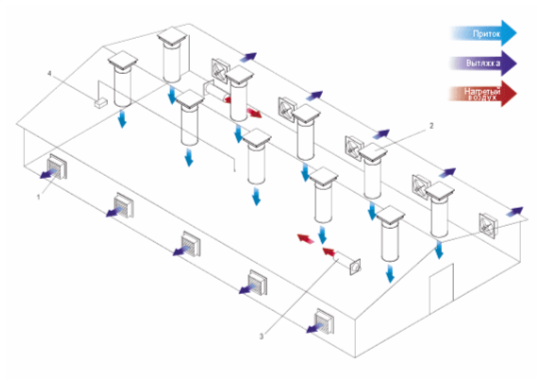
Stron’s Solution: We utilize computational fluid dynamics (CFD) modeling to simulate airflow, eliminating drafts and stagnant zones.
2. Ignoring Biosecurity Protocols
In industrial poultry farming, biological protection is a matter of business survival.
The Mistake: Crossing “dirty” and “clean” traffic flows (e.g., placing manure removal routes adjacent to feed delivery paths).
The Example: At one facility, improper placement of sanitary inspection pits allowed a virus to be tracked in on footwear, resulting in a full-block quarantine.
The Solution: Strict site zoning and calculation of sanitary buffers in full compliance with veterinary standards.
3. Incorrect Selection of Structural Components and Materials
The harsh environment inside a poultry house (high humidity, ammonia vapors) rapidly degrades standard metal structures.
The Mistake: Using cheap LGSF (Light Gauge Steel Framing) without specialized protective coatings.
The Consequence: Severe through-corrosion of the frame within just 5–7 years.
The Solution: Using steel with a high-grade galvanized coating and PIR panels, which do not absorb moisture or support mold.
4. Errors in Automation and Power Supply
In high temperatures, a 30-minute fan failure can lead to the loss of 90% of the flock. Inexperienced designers often overlook reliable redundancy systems and centralized control (dispatching).
The Issue: Lack of automated backup power and real-time monitoring. Without integrated dispatching, response times to equipment failure are too slow.
Design as an Investment: Why "Cheap" Today Is a Disaster Tomorrow
Many clients make a fatal mistake by trying to cut costs during the documentation development stage. It is crucial to understand: the cost of professional engineering in this niche has never been, and will never be, low.
Partnering with Stron Engineering is not about buying an expensive design; it is about achieving real savings during construction and future operations.
The Dumping Trap: How to Avoid Amateurs
If you are offered services at a price significantly below the market rate, you are unequivocally risking your investment by hiring unqualified specialists.
The Tender Rule: Choose only from experienced companies with a proven portfolio.
The Price Gap: The maximum price difference between serious market players is typically 10–15%, nothing more.
The Red Flag: If a company slashes prices below this threshold, check their staff. Most likely, they lack in-house technologists and structural engineers, outsourcing the work to random freelancers.
Invisible Mistakes: The Price of Experience
In this article, we have only scratched the surface. There are hundreds of hidden nuances that only professionals recognize. Serious blunders made by firms without their own staff of technologists usually “surface” only during operation, when fixing them costs an astronomical amount of money.
As experts, our mission is to eliminate these errors while they are still on the drawing board.
Why Choose Stron Engineering?
We are a professional firm with a comprehensive range of in-house competencies. We don’t just draft blueprints; we create an efficient tool for generating profit.
In-House Team: Our staff includes dedicated technologists, structural designers, and engineers. We never rely on random outsourcing.
Economic Efficiency: We optimize the structural steel requirements of buildings and implement heat recovery systems, reducing heating costs by up to 40%.
Total Transparency: You are always welcome to visit our office, meet our engineers in person, and see their expertise for yourself.
Want to see our expertise in action?
Don’t let a low design price become the reason for your business losses. We invite you to our office for a detailed discussion of your project. You will see how professionals work and understand why a high-quality design pays for itself as early as the construction material procurement stage.
Stron
Engineering
-
INDUSTRIAL ENGINEERING
-
01
Development of design and estimate documentation for the construction of civil and industrial facilities, in frame and frameless design, monolithic and prefabricated structures and buildings, metal structures, reinforced concrete;
-
02
Design of outdoor power supply systems, outdoor and indoor electric lighting, power electrical equipment and substations;
-
03
Design of trunk and intra-block fiber-optic communication lines, video surveillance systems, security and access systems;
-
04
Design of external water supply, sewerage, water drainage and drainage, gas supply, and heat supply networks;
-
05
Engineering surveys (engineering-topographic; engineering-geodetic; engineering-hydrological, engineering-geological;
-
06
Technical inspection of buildings and structures;
-
07
ВIM design;
-
08
3D laser scanning;
-
09
Qualified legal support for projects.
-
01
-
MINING & METALLURGICAL ACTIVITIES
-
01
Development of design and estimate documentation for the construction of mining facilities;
-
02
Adaptation of projects and technological processes in the mining and metallurgical sector of foreign projects and design solutions to Kazakhstani norms and requirements;
-
03
Design of roads and railways;
-
04
Development of environmental projects;
-
05
Industrial safety;
-
06
Preparation of tender documentation;
-
07
Evaluation and analysis of objects to determine the cost of engineering and design;
-
08
ВIM design;
-
09
Comprehensive implementation of author's supervision;
-
10
Development of projects for related infrastructure facilities for mining, processing and metallurgical industries;
-
11
Carrying out engineering survey work.
-
01
-
MINING & METALLURGICAL ACTIVITIES
-
01
Development of design and estimate documentation for the construction of civil and industrial facilities, in frame and frameless design, monolithic and prefabricated structures and buildings, metal structures, reinforced concrete;
-
02
Design of outdoor power supply systems, outdoor and indoor electric lighting, power electrical equipment and substations;
-
03
Design of trunk and intra-block fiber-optic communication lines, video surveillance systems, security and access systems;
-
04
Design of external water supply, sewerage, water drainage and drainage, gas supply, and heat supply networks;
-
05
Engineering surveys (engineering-topographic; engineering-geodetic; engineering-hydrological, engineering-geological;
-
06
Technical inspection of buildings and structures;
-
07
ВIM design;
-
08
3D laser scanning;
-
09
Qualified legal support for projects.
-
01
-
CIVIL AND INDUSTRIAL ENGINEERING
-
01
Development of design and estimate documentation for the construction of mining facilities;
-
02
Adaptation of projects and technological processes in the mining and metallurgical sector of foreign projects and design solutions to Kazakhstani norms and requirements;
-
03
Design of roads and railways;
-
04
Development of environmental projects;
-
05
Industrial safety;
-
06
Preparation of tender documentation;
-
07
Evaluation and analysis of objects to determine the cost of engineering and design;
-
08
ВIM design;
-
09
Comprehensive implementation of author's supervision;
-
10
Development of projects for related infrastructure facilities for mining, processing and metallurgical industries;
-
11
Carrying out engineering survey work.
-
01
-
CIVIL AND INDUSTRIAL ENGINEERING
-
01
Development of design and estimate documentation for the construction of civil and industrial facilities, in frame and frameless design, monolithic and prefabricated structures and buildings, metal structures, reinforced concrete;
-
02
Design of outdoor power supply systems, outdoor and indoor electric lighting, power electrical equipment and substations;
-
03
Design of trunk and intra-block fiber-optic communication lines, video surveillance systems, security and access systems;
-
04
Design of external water supply, sewerage, water drainage and drainage, gas supply, and heat supply networks;
-
05
Engineering surveys (engineering-topographic; engineering-geodetic; engineering-hydrological, engineering-geological;
-
06
Technical inspection of buildings and structures;
-
07
ВIM design;
-
08
3D laser scanning;
-
09
Qualified legal support for projects.
-
01
-
MINING & METALLURGICAL ACTIVITIES
-
01
Development of design and estimate documentation for the construction of mining facilities;
-
02
Adaptation of projects and technological processes in the mining and metallurgical sector of foreign projects and design solutions to Kazakhstani norms and requirements;
-
03
Design of roads and railways;
-
04
Development of environmental projects;
-
05
Industrial safety;
-
06
Preparation of tender documentation;
-
07
Evaluation and analysis of objects to determine the cost of engineering and design;
-
08
ВIM design;
-
09
Comprehensive implementation of author's supervision;
-
10
Development of projects for related infrastructure facilities for mining, processing and metallurgical industries;
-
11
Carrying out engineering survey work.
-
01
-
What We Offer:
Employment:
Work in a Kazakhstan-based company
Salary:
USD 3–5 per hour.
Payment is task-based: each task is assigned with a clearly defined number of hours based on an 8-hour workday. If a task is completed ahead of schedule, payment will be made upon actual completion.
Location:
Kostanay, Kazakhstan
Key Responsibilities:
Architectural design solutions;
Coordination with engineering disciplines.
Requirements:
Higher education in Architecture;
At least 10 years of experience on industrial projects;
Technical English proficiency (mandatory);
Proficiency in Archicad, AutoCAD, Revit;
Mandatory experience working with BIM;
Relevant professional certificates and completion of specialized courses are required.


comments (0)
Leave a comment