Stron

Engineering

Leave your details and we will contact you shortly to discuss the project or answer questions

Name
Phone
Request

Attach File

I consent to the processing of personal data and agree with the personal data processing policy

  • INDUSTRIAL ENGINEERING

    • 01

      Development of design and estimate documentation for the construction of civil and industrial facilities, in frame and frameless design, monolithic and prefabricated structures and buildings, metal structures, reinforced concrete;

    • 02

      Design of outdoor power supply systems, outdoor and indoor electric lighting, power electrical equipment and substations;

    • 03

      Design of trunk and intra-block fiber-optic communication lines, video surveillance systems, security and access systems;

    • 04

      Design of external water supply, sewerage, water drainage and drainage, gas supply, and heat supply networks;

    • 05

      Engineering surveys (engineering-topographic; engineering-geodetic; engineering-hydrological, engineering-geological;

    • 06

      Technical inspection of buildings and structures;

    • 07

      ВIM design;

    • 08

      3D laser scanning;

    • 09

      Qualified legal support for projects.

  • MINING & METALLURGICAL ACTIVITIES

    • 01

      Development of design and estimate documentation for the construction of mining facilities;

    • 02

      Adaptation of projects and technological processes in the mining and metallurgical sector of foreign projects and design solutions to Kazakhstani norms and requirements;

    • 03

      Design of roads and railways;

    • 04

      Development of environmental projects;

    • 05

      Industrial safety;

    • 06

      Preparation of tender documentation;

    • 07

      Evaluation and analysis of objects to determine the cost of engineering and design;

    • 08

      ВIM design;

    • 09

      Comprehensive implementation of author's supervision;

    • 10

      Development of projects for related infrastructure facilities for mining, processing and metallurgical industries;

    • 11

      Carrying out engineering survey work.

  • MINING & METALLURGICAL ACTIVITIES

    • 01

      Development of design and estimate documentation for the construction of civil and industrial facilities, in frame and frameless design, monolithic and prefabricated structures and buildings, metal structures, reinforced concrete;

    • 02

      Design of outdoor power supply systems, outdoor and indoor electric lighting, power electrical equipment and substations;

    • 03

      Design of trunk and intra-block fiber-optic communication lines, video surveillance systems, security and access systems;

    • 04

      Design of external water supply, sewerage, water drainage and drainage, gas supply, and heat supply networks;

    • 05

      Engineering surveys (engineering-topographic; engineering-geodetic; engineering-hydrological, engineering-geological;

    • 06

      Technical inspection of buildings and structures;

    • 07

      ВIM design;

    • 08

      3D laser scanning;

    • 09

      Qualified legal support for projects.

  • CIVIL AND INDUSTRIAL ENGINEERING

    • 01

      Development of design and estimate documentation for the construction of mining facilities;

    • 02

      Adaptation of projects and technological processes in the mining and metallurgical sector of foreign projects and design solutions to Kazakhstani norms and requirements;

    • 03

      Design of roads and railways;

    • 04

      Development of environmental projects;

    • 05

      Industrial safety;

    • 06

      Preparation of tender documentation;

    • 07

      Evaluation and analysis of objects to determine the cost of engineering and design;

    • 08

      ВIM design;

    • 09

      Comprehensive implementation of author's supervision;

    • 10

      Development of projects for related infrastructure facilities for mining, processing and metallurgical industries;

    • 11

      Carrying out engineering survey work.

  • CIVIL AND INDUSTRIAL ENGINEERING

    • 01

      Development of design and estimate documentation for the construction of civil and industrial facilities, in frame and frameless design, monolithic and prefabricated structures and buildings, metal structures, reinforced concrete;

    • 02

      Design of outdoor power supply systems, outdoor and indoor electric lighting, power electrical equipment and substations;

    • 03

      Design of trunk and intra-block fiber-optic communication lines, video surveillance systems, security and access systems;

    • 04

      Design of external water supply, sewerage, water drainage and drainage, gas supply, and heat supply networks;

    • 05

      Engineering surveys (engineering-topographic; engineering-geodetic; engineering-hydrological, engineering-geological;

    • 06

      Technical inspection of buildings and structures;

    • 07

      ВIM design;

    • 08

      3D laser scanning;

    • 09

      Qualified legal support for projects.

  • MINING & METALLURGICAL ACTIVITIES

    • 01

      Development of design and estimate documentation for the construction of mining facilities;

    • 02

      Adaptation of projects and technological processes in the mining and metallurgical sector of foreign projects and design solutions to Kazakhstani norms and requirements;

    • 03

      Design of roads and railways;

    • 04

      Development of environmental projects;

    • 05

      Industrial safety;

    • 06

      Preparation of tender documentation;

    • 07

      Evaluation and analysis of objects to determine the cost of engineering and design;

    • 08

      ВIM design;

    • 09

      Comprehensive implementation of author's supervision;

    • 10

      Development of projects for related infrastructure facilities for mining, processing and metallurgical industries;

    • 11

      Carrying out engineering survey work.

  • What We Offer:

    Employment:

    Work in a Kazakhstan-based company

    Salary:

    USD 3–5 per hour.

    Payment is task-based: each task is assigned with a clearly defined number of hours based on an 8-hour workday. If a task is completed ahead of schedule, payment will be made upon actual completion.

    Location:

    Kostanay, Kazakhstan

    Key Responsibilities:

    Architectural design solutions;

    Coordination with engineering disciplines.

    Requirements:

    Higher education in Architecture;

    At least 10 years of experience on industrial projects;

    Technical English proficiency (mandatory);

    Proficiency in Archicad, AutoCAD, Revit;

    Mandatory experience working with BIM;

    Relevant professional certificates and completion of specialized courses are required.

Implementation of BIM Technologies at Stron Engineering (Holding): Advantages, Disadvantages, and Practical Value

Back
  • Implementation of BIM Technologies at Stron Engineering (Holding): Advantages, Disadvantages, and Practical Value
  • In recent years, BIM technologies in design and construction have become an integral part of the operations of modern engineering companies. For holdings that implement complex architectural and engineering projects, the adoption of BIM (Building Information Modeling) is not merely digitalization, but a fundamental shift in the approach to project management.

    Stron Engineering (Holding) uses BIM technologies as a tool to improve design quality, reduce risks, and optimize collaboration among all project participants. This article examines the main advantages and disadvantages of BIM implementation, as well as the practical value of the BIM approach for an engineering holding.

  • What Are BIM Technologies and Why Engineering Companies Need Them

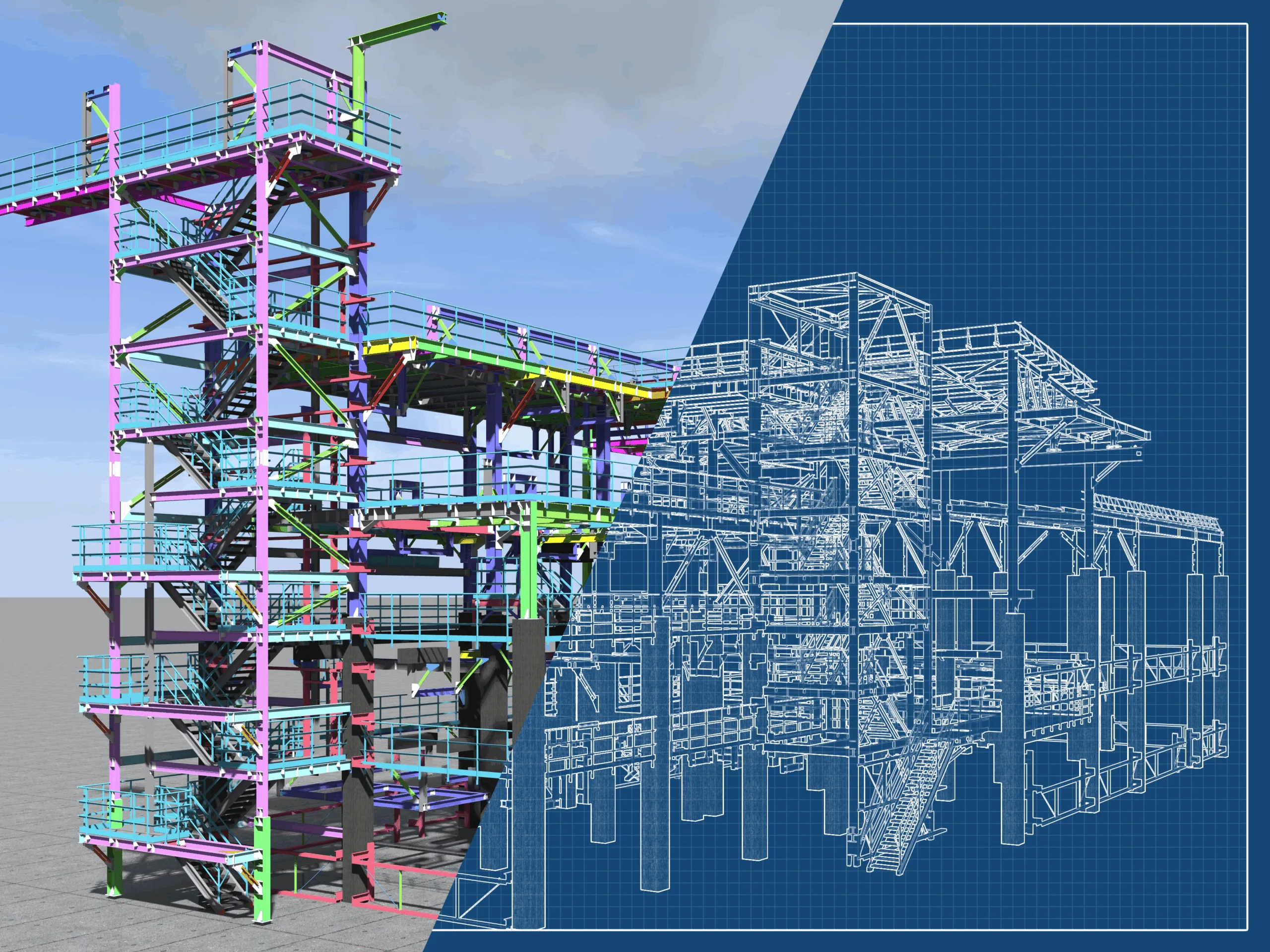
    BIM technologies are a method of information modeling for buildings and structures in which a digital model of an asset is created, containing not only geometry, but also data on structural elements, engineering systems, materials, costs, construction schedules, and operational parameters.

    For engineering and design companies, BIM:

    • integrates architectural, structural, and engineering design;
    • enables project management across all stages of the asset’s life cycle;
    • reduces the number of errors and inconsistencies in design documentation.
    Implementation of BIM Technologies at Stron Engineering (Holding): Advantages, Disadvantages, and Practical Value

    Advantages of Implementing BIM at Stron Engineering (Holding)

    Improved Design Quality and Reduced Errors

    One of the key advantages of BIM-based design is the ability to detect clashes between engineering systems, structural elements, and architectural solutions at the design stage.

    For Stron Engineering, this means:

    • a reduction in the number of design errors;
    • a decrease in the volume of rework;
    • improved quality of working documentation.

    The BIM model becomes a tool for quality control even before the project reaches the construction site.

    A Unified Information Environment for All Project Participants

    The implementation of BIM allows the creation of a single digital environment in which the following participants operate:

    • architects;
    • engineers from all disciplines;
    • BIM coordinators;
    • project managers;
    • clients.

    All changes in the BIM model are automatically reflected in all related elements, eliminating the use of outdated drawings and reducing the risk of uncoordinated decisions.

    Optimization of Construction Schedules and Costs

    The use of BIM technologies in engineering enables more accurate planning of:

    • material quantities;
    • design and construction phases;
    • project budget.

    For the holding, this provides:

    • more accurate cost estimates;
    • a reduction in unforeseen expenses;
    • increased project transparency for the client.

    Efficient Management of Technically Complex Projects

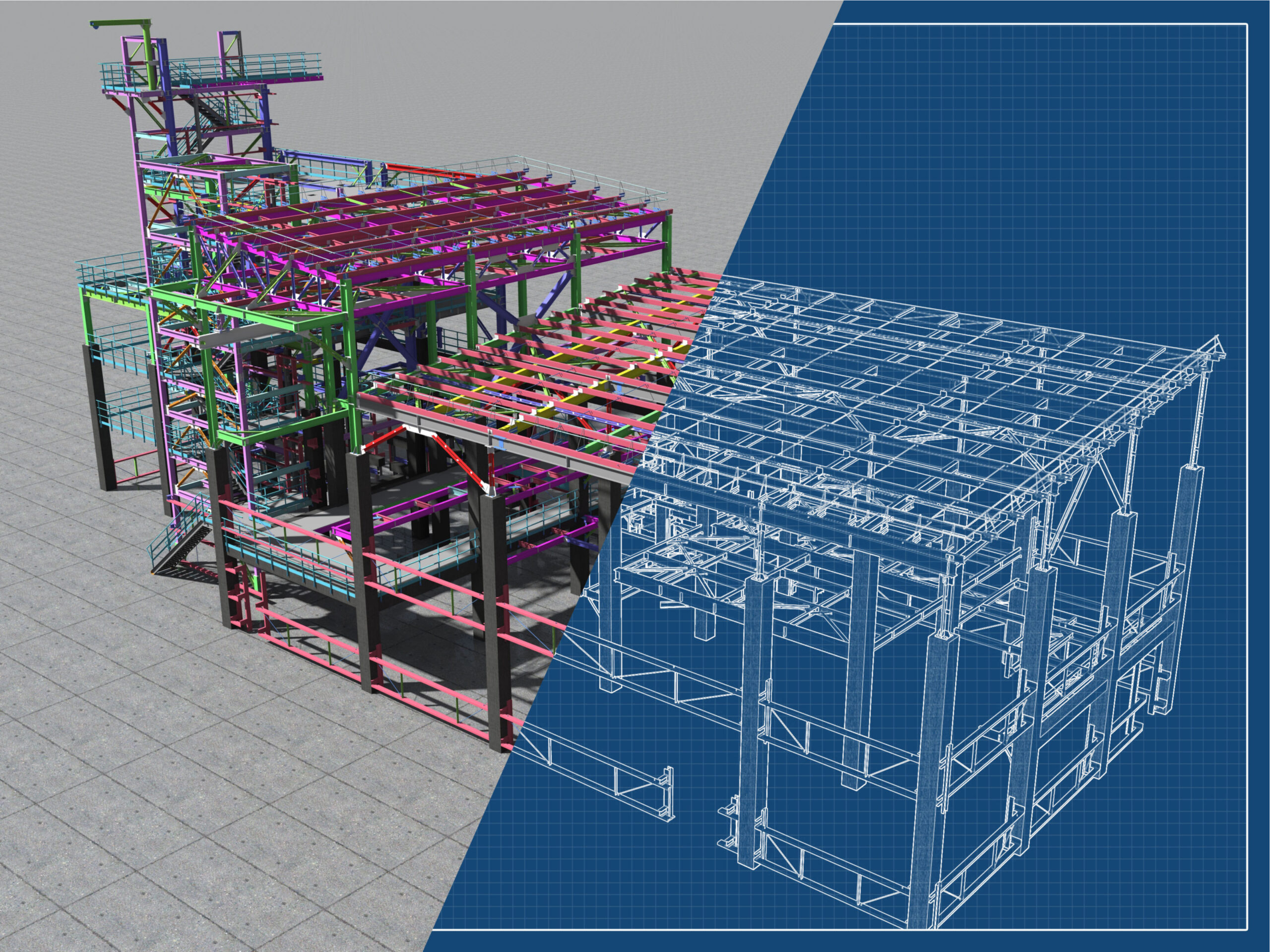
    Stron Engineering (Holding) undertakes projects with high engineering and technological complexity. The BIM approach allows for consideration of:

    • complex engineering systems;
    • non-standard structural solutions;
    • technological processes and client requirements.

    BIM modeling provides the ability to analyze various scenarios and optimize design solutions without compromising the integrity of the model.

    Competitive Advantages and Compliance with Market Requirements

    Today, BIM-based design is increasingly becoming a mandatory requirement for:

    • participating in tenders;
    • working with major investors;
    • executing international projects.

    The implementation of BIM strengthens Stron Engineering’s position as a modern engineering company focused on digital technologies and high quality standards.
    Implementation of BIM Technologies at Stron Engineering (Holding): Advantages, Disadvantages, and Practical Value

    Disadvantages and Challenges of Implementing BIM Technologies

    High Initial Investments

    The main drawback of implementing BIM is the significant upfront costs:

    • licenses for BIM software;
    • upgrading computer hardware;
    • implementation of BIM standards and protocols.

    For an engineering holding, these expenses require strategic planning and a phased implementation approach.

    Staff Training and Changes in Work Approaches

    BIM technologies require not only technical knowledge but also a shift in the mindset of specialists. The transition from traditional 2D design to BIM is accompanied by:

    • the need for staff training;
    • temporary reduction in productivity;
    • adaptation of business processes.

    However, in the long term, these investments pay off.

    Standardization and Coordination Issues

    For effective use of BIM within the holding, it is important to implement:

    • unified modeling standards;
    • coordinated classifiers and libraries;
    • a quality control system for BIM models.

    Without these measures, information modeling can lose its effectiveness.

    Managing Large Volumes of Data

    BIM models contain substantial amounts of information, requiring:

    • reliable storage;
    • data updates and maintenance;
    • information security.

    This increases the demands on the company’s IT infrastructure and internal processes.

    Short-Term and Long-Term Effects of BIM Implementation

    At the initial stage of BIM implementation:

    • costs increase;
    • staff workload rises;
    • process restructuring is required.

    In the long term:

    • design quality improves;
    • the number of errors and rework decreases;
    • schedules and budgets are optimized;
    • the company’s competitiveness is strengthened.

    Conclusion

    The implementation of BIM technologies at Stron Engineering (Holding) is a strategic decision aimed at enhancing the efficiency of design and construction project management. Despite the challenges and upfront investments during the implementation phase, BIM enables the holding to establish a robust digital workflow that meets modern market requirements.

    Proper BIM implementation, staff training, and the development of internal standards transform BIM technologies from an expense into a tool for long-term growth and increased value for clients.

Back

comments (0)